Conagra Ordered to Pay $25 Million in Landmark Pam Lawsuit Over Lung Injuries
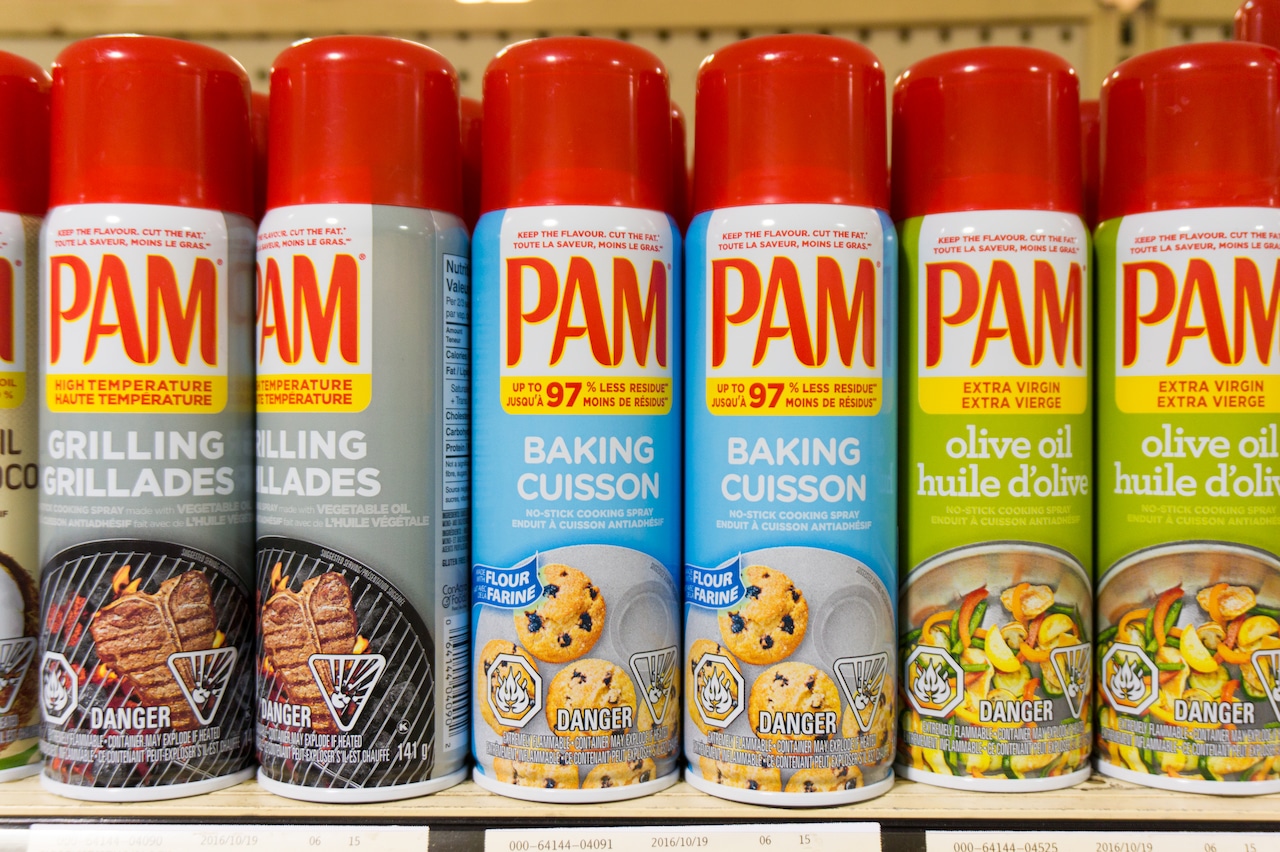
Cooking spray has become an indispensable staple in kitchens worldwide, prized for its convenience in preventing food from sticking and making cleanup a breeze. From scrambling eggs to roasting vegetables, these sprays offer a quick solution for non-stick cooking. However, a recent legal battle has cast a shadow over one of the most popular brands, Pam cooking spray, raising serious concerns about its safety and potential link to severe lung injuries. A California jury recently delivered a significant verdict, ordering Conagra Brands, the producer of Pam, to pay $25 million in a Pam lawsuit that centered on allegations of negligence and a failure to warn consumers about dangerous chemicals.
The $25 Million Verdict: Roland Esparza's Battle for Justice
The groundbreaking verdict, handed down on February 4th, saw a Los Angeles jury award $25 million to Roland Esparza, a 58-year-old man facing a double lung transplant due to alleged damage caused by years of using Pam cooking spray. Esparza's case against Conagra Brands, initiated in 2022, contended that the company negligently sold defective Pam products that led to exposure to hazardous chemicals, most notably diacetyl.
Esparza's attorneys, Jacob Plattenberger and Alan Holcomb, stated that their client's once active and healthy life has been irrevocably altered. He now requires a 24-hour oxygen supply as he awaits a life-saving double lung transplant. The lawsuit detailed Esparza's consistent use of Pam’s butter-flavored cooking spray since the early 1990s, often spraying it directly onto a frying pan while standing over the stove, two to three times daily. This frequent exposure, according to his complaint, subjected him to "hazardous food flavoring" chemicals, including diacetyl and acetyl propionyl, which are known to be linked to severe respiratory illnesses.
The jury’s unanimous decision to award $25 million in damages underscored their finding that Conagra Brands acted negligently and failed to adequately warn consumers about the inherent risks associated with using Pam cooking spray. This verdict marks a pivotal moment, being the first time a consumer has successfully sued Conagra over diacetyl-related lung injuries stemming from their product. "This unanimous $25 million verdict delivers long-overdue justice to Roland Esparza," Plattenberger remarked, highlighting the jury's recognition that Conagra deceptively marketed their Pam cooking spray as safe despite the potential dangers.
In response to the verdict, Conagra Brands expressed its disagreement and disappointment. However, the legal precedent set by this Pam lawsuit could have significant ramifications for the company and the broader food manufacturing industry.
Unpacking the Chemical Concerns: Diacetyl and Respiratory Illness
Central to the Pam lawsuit was the chemical diacetyl, a butter-flavoring agent that has long been a subject of concern in occupational health. Diacetyl gained notoriety for its link to a severe and irreversible lung condition known as bronchiolitis obliterans, often dubbed "popcorn lung." This condition involves the inflammation and scarring of the smallest airways in the lungs, leading to extreme shortness of breath, chronic cough, and a significantly reduced life expectancy. Esparza's medical condition, including severe respiratory damage and bronchiolitis obliterans, aligns with the known effects of diacetyl exposure.
While diacetyl has been studied extensively in occupational settings, particularly among workers in microwave popcorn factories and flavor manufacturing plants, its presence and potential harm in consumer products like cooking spray represent a different challenge. The lawsuit argued that consumers, unaware of these risks, might be inhaling these chemicals in poorly ventilated home kitchens over extended periods, leading to cumulative damage.
Another related chemical, acetyl propionyl, was also cited in Esparza's complaint. Both diacetyl and acetyl propionyl are alpha-diketones, a class of compounds used to impart buttery flavors, and both have been implicated in respiratory issues. The case highlights a critical question: how adequately are consumers informed about the ingredients they are regularly exposed to, especially when those ingredients carry known health risks?
Broader Implications for Consumers and the Food Industry
The outcome of the Pam lawsuit extends beyond the immediate parties, sending a clear message to food manufacturers about their responsibility to consumer safety and transparent labeling. For consumers, this verdict serves as a stark reminder to be more vigilant about the products they use and the environments in which they use them.
Practical Tips for Safer Cooking and Product Awareness:
- Read Labels Carefully: Always scrutinize ingredient lists, especially for terms like "artificial flavors" or specific chemicals if you have concerns. While diacetyl itself might not always be explicitly listed, understanding potential risk factors is key.
- Ensure Good Ventilation: When cooking with sprays or any product that produces fumes, ensure your kitchen is well-ventilated. Use exhaust fans, open windows, or consider alternative cooking methods that produce fewer airborne particles.
- Consider Alternatives: For everyday cooking, explore alternatives to aerosol cooking sprays. Options include:
- Liquid Oils: Pouring a small amount of olive oil, avocado oil, or coconut oil directly into the pan and spreading it with a paper towel or silicone brush.
- Refillable Spray Bottles: Invest in a reusable oil mister that you can fill with your preferred cooking oil, giving you control over the ingredients and avoiding propellants.
- Butter or Ghee: For certain recipes, traditional butter or ghee offers a natural non-stick option with distinct flavors.
- Parchment Paper or Silicone Mats: For baking, these are excellent non-stick solutions that eliminate the need for sprays.
- Be Aware of Symptoms: If you experience persistent respiratory symptoms like shortness of breath, chronic cough, or wheezing, especially after prolonged exposure to certain products, consult a healthcare professional.
- Stay Informed: Follow updates from reputable health organizations and consumer advocacy groups regarding food safety and product recalls.
This lawsuit underscores the evolving understanding of chemical exposures in daily life. What might seem like an innocuous household item could, over years of consistent use, contribute to serious health problems. The responsibility of companies to thoroughly test their products and clearly communicate potential risks is paramount.
Conclusion: A Call for Greater Transparency and Accountability
The $25 million verdict in the Pam lawsuit against Conagra Brands is a landmark decision that highlights the critical need for corporate accountability and transparency regarding product safety. While Conagra maintains its stance, the jury's findings resonate deeply with consumer safety advocates and those affected by severe respiratory illnesses. Roland Esparza's courageous legal battle has not only brought him a measure of justice but also shone a bright light on potential hidden dangers in common household products. This case will undoubtedly prompt a closer look at the ingredients and labeling of cooking sprays and similar products, urging both manufacturers to prioritize consumer health and consumers to exercise greater awareness and caution in their daily kitchen routines.