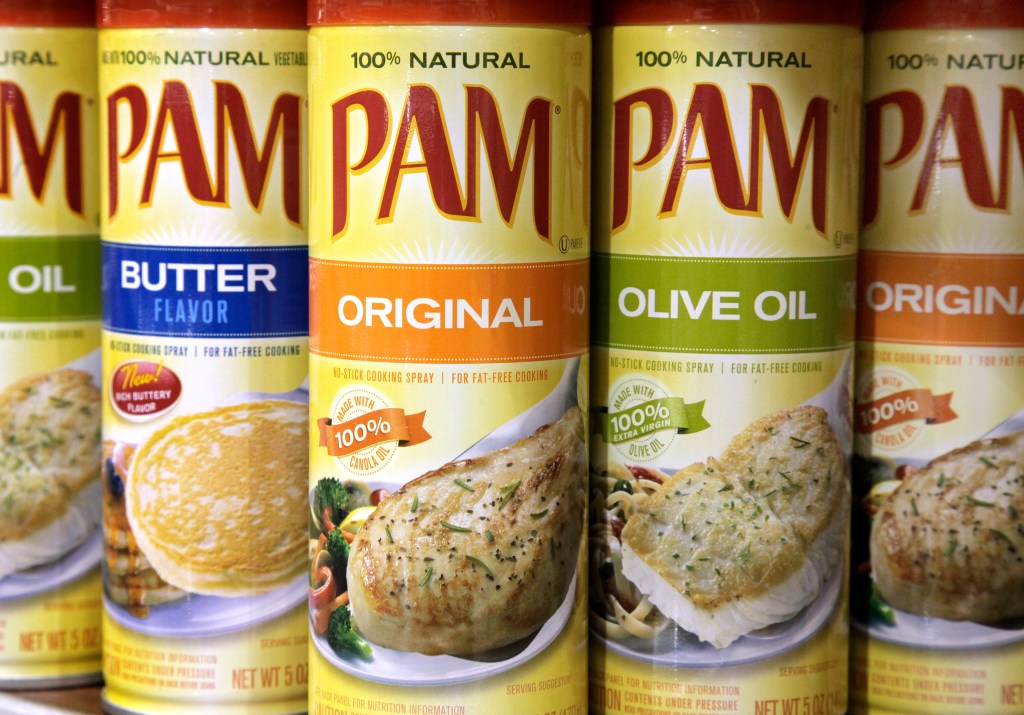
Diacetyl Risk: Pam Cooking Spray Lawsuit Highlights Lung Dangers
For many home cooks, a can of cooking spray is an indispensable kitchen tool. It promises non-stick convenience, easy cleanup, and a healthier alternative to traditional oils and butter. But a recent, landmark legal battle has cast a shadow over one of the most popular brands, Pam cooking spray, raising serious questions about product safety and the potential for devastating health consequences. The highly publicized
Pam Lawsuit has brought to light the severe diacetyl risk associated with certain food flavorings, linking long-term exposure to permanent lung damage and the need for life-altering medical procedures.
The Landmark Pam Lawsuit: A $25 Million Verdict
The culinary world and legal community were recently gripped by the news of a California jury awarding a staggering $25 million to Roland Esparza, a Los Angeles man whose life has been irrevocably altered by severe respiratory illness. Esparza’s case against Conagra Brands, the manufacturer of Pam cooking spray, centered on the claim that years of consistent use of Pam’s butter-flavored spray led to significant and irreversible lung damage.
According to the lawsuit, Esparza had been a loyal user of Pam's butter-flavored cooking spray since the early 1990s, integrating it into his daily cooking routine, often spraying it multiple times a day while standing directly over his stovetop. Despite a previously active and healthy lifestyle, he now requires round-the-clock oxygen support and is awaiting a double lung transplant to survive.
The jury’s verdict, delivered on February 4th, found Conagra Brands negligent, determining that the company failed to adequately warn consumers about the inherent risks associated with using their product. This ruling marks a pivotal moment, being the first time a consumer has successfully sued Conagra over lung injuries directly linked to diacetyl exposure from Pam cooking spray. While Conagra has expressed its disagreement with the verdict, the implications for consumer product safety and manufacturer accountability are profound. The Esparza case serves as a stark reminder of the potential hidden dangers lurking in everyday household products and the critical importance of corporate responsibility.
Diacetyl: The Dangerous Chemical at the Center of the Storm
At the core of the Pam lawsuit, and indeed many previous legal battles concerning respiratory illnesses, is diacetyl. This butter-flavored chemical is widely used in the food industry to impart a rich, buttery taste to various products, from microwave popcorn and candy to baked goods and, critically, cooking sprays. While it might enhance flavor, its darker side emerges when its vapors are inhaled.
Diacetyl has a notorious history, primarily associated with "popcorn lung," medically known as bronchiolitis obliterans. This severe and irreversible lung disease gained prominence in the early 2000s when workers in microwave popcorn factories developed debilitating respiratory conditions after prolonged exposure to diacetyl fumes. The chemical, along with similar compounds like acetyl propionyl, can cause inflammation and scarring in the smallest airways of the lungs, leading to blockages and severely impaired breathing.
What’s particularly concerning in the context of cooking sprays like Pam is the mechanism of exposure. When a user sprays an aerosol product like cooking spray directly onto a hot pan, especially in a poorly ventilated kitchen or while standing close to the stove, they are potentially inhaling concentrated fumes laden with these hazardous flavoring chemicals. Unlike occupational settings where specific safety protocols and ventilation systems are mandated, home kitchens often lack such protections, leaving unsuspecting consumers vulnerable to chronic exposure over years of regular use. The lack of explicit warnings on consumer products regarding these inhalation risks is precisely what the Esparza lawsuit challenged, highlighting a significant gap in consumer protection.
Understanding the Health Risks: Bronchiolitis Obliterans and Beyond
The diagnosis of bronchiolitis obliterans is dire. It’s a progressive and often fatal lung disease characterized by irreversible scarring and narrowing of the small airways (bronchioles) in the lungs. Symptoms typically include severe and persistent shortness of breath, chronic coughing, wheezing, and a feeling of tightness in the chest. These symptoms often worsen over time, significantly impairing a person's ability to perform everyday activities.
For individuals like Roland Esparza, the severity of the damage has led to a "significantly reduced" life expectancy and the desperate need for a double lung transplant – a major, life-threatening surgical procedure that offers a chance at extended life but comes with its own set of lifelong challenges and risks. The long-term exposure to chemicals like diacetyl can slowly but surely erode lung function, often without immediate, alarming symptoms, until the damage becomes critical and irreversible.
Beyond bronchiolitis obliterans, chronic inhalation of irritants like diacetyl can contribute to other respiratory issues, including exacerbation of asthma, chronic bronchitis, and general lung irritation. The insidious nature of these illnesses means that by the time symptoms become severe enough to warrant medical attention, considerable and permanent damage may have already occurred. This underscores the importance of understanding not just immediate product safety but also the cumulative effects of long-term exposure to seemingly innocuous household items. For more insights on these risks, you might also find
Is Pam Cooking Spray Safe? Jury Awards $25M Over Lung Injury Claims to be an informative read.
Protecting Yourself: Safer Cooking Practices and Product Choices
Given the grave concerns highlighted by the Pam lawsuit and the known dangers of diacetyl, consumers are naturally looking for ways to protect their health without sacrificing culinary convenience. Here are some practical tips and actionable advice for safer cooking practices and informed product choices:
- Ensure Adequate Ventilation: Always cook in a well-ventilated area. Use your range hood or exhaust fan every time you cook, especially when using aerosol sprays. Open a window if possible to allow fresh air to circulate and disperse any fumes.
- Mind Your Distance: When using any cooking spray, avoid standing directly over the pan as you spray. Step back and spray from a distance to minimize direct inhalation of the aerosolized particles and vapors.
- Scrutinize Ingredient Labels: Pay close attention to ingredient lists. Look for specific mentions of diacetyl or "artificial butter flavoring." While "natural flavors" can sometimes contain diacetyl, products explicitly marketing as butter-flavored warrant extra caution. If a product label is unclear or doesn't explicitly state "diacetyl-free," consider alternatives.
- Explore Safer Alternatives:
- Oil in a Spray Bottle: Invest in a reusable spray bottle and fill it with your preferred cooking oil (e.g., olive oil, avocado oil, coconut oil). This gives you control over the ingredients and eliminates aerosol propellants and potentially harmful flavorings.
- Non-Aerosol Sprays: Some brands offer pump-action, non-aerosol cooking sprays that use compressed air instead of chemical propellants.
- Brush or Wipe Oil: For certain cooking tasks, simply pouring a small amount of oil onto a paper towel and wiping your pan or brushing oil directly onto the cooking surface can be effective and safer.
- Butter or Ghee: For the authentic butter flavor, use actual butter or ghee sparingly when appropriate for your dish and dietary needs.
- Minimize Frequency of Use: If you frequently use aerosol cooking sprays, especially butter-flavored varieties, consider reducing your usage or alternating with safer methods.
- Stay Informed: Keep abreast of product recalls, new scientific findings, and legal developments concerning food additives and household products. Consumer advocacy groups and reputable health organizations are excellent sources of information.
This landmark lawsuit serves as a powerful reminder that consumers must remain vigilant about the products they bring into their homes and the potential long-term health implications.
Conclusion
The $25 million verdict in the Pam cooking spray lawsuit is far more than just a financial judgment; it’s a critical wake-up call for both consumers and manufacturers. It underscores the profound diacetyl risk associated with certain food flavorings and highlights the devastating impact that long-term, uninformed exposure can have on human health. Roland Esparza’s battle for justice brings to the forefront the pressing need for greater transparency, clearer warnings, and more rigorous safety assessments from companies producing common household items. As consumers, we have the right to expect that the products we use daily are safe. By understanding the potential dangers, adopting safer cooking practices, and making informed choices about the products we purchase, we can better protect ourselves and advocate for a future where health and safety are unequivocally prioritized over convenience and artificial flavors.