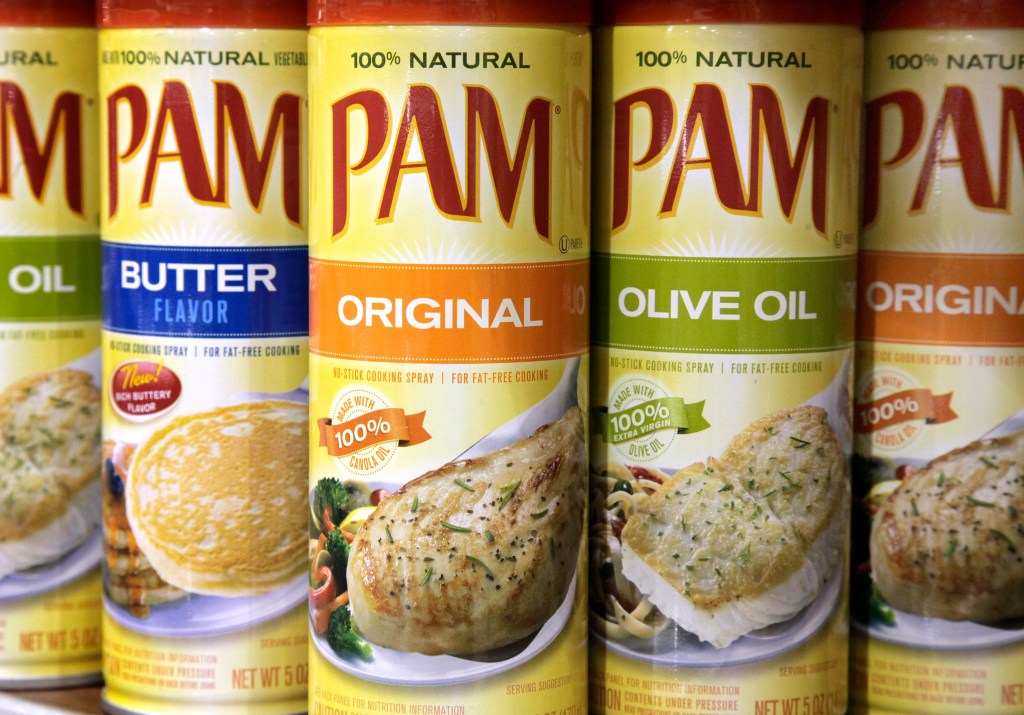
Is Pam Cooking Spray Safe? Jury Awards $25M Over Lung Injury Claims
Cooking spray has become a ubiquitous kitchen staple for its convenience and promise of nonstick cooking with minimal fuss. From scrambling eggs to roasting vegetables, these aerosol cans offer a quick solution for greasing pans. However, a recent landmark verdict has cast a shadow over the safety of one of the most well-known brands, Pam cooking spray, sparking a crucial conversation about hidden health risks and consumer protection.
A California jury recently made headlines by awarding $25 million to a man who alleged that years of using Pam cooking spray led to severe, permanent lung damage, necessitating a double lung transplant. This significant ruling against Conagra Brands, the producer of Pam, raises important questions for consumers everywhere: what exactly happened, what are the potential risks, and how can we ensure our kitchens remain safe havens?
The $25 Million Verdict: A Landmark Ruling Against Conagra Brands
On February 4th, a California jury delivered a powerful message by awarding Roland Esparza, a 58-year-old Los Angeles resident, a staggering $25 million in damages. This verdict followed a lengthy legal battle in which Esparza claimed that long-term exposure to Pam cooking spray had tragically devastated his respiratory system. Esparza's attorneys, Jacob Plattenberger and Alan Holcomb, stated that the once-active individual is now dependent on a 24-hour oxygen supply and awaits a life-saving double lung transplant.
The lawsuit, initially filed in 2022, centered on allegations that Conagra Brands negligently sold defective Pam products and failed to adequately warn consumers about the dangers of certain chemicals within the spray. Esparza testified that he had been a regular user of Pam's butter-flavored cooking spray since the early 1990s, often using it two to three times daily directly over a frying pan on the stove. His complaint asserted that this frequent use exposed him to "hazardous food flavoring" chemicals, specifically diacetyl and acetyl propionyl.
The jury ultimately agreed with Esparza, finding Conagra Brands negligent and liable for not providing sufficient warnings about the risks associated with their product. This unanimous decision marks a historic moment, being the first time a consumer has successfully sued Conagra over lung injuries directly linked to diacetyl exposure from Pam cooking spray. While Conagra Brands has publicly stated their disagreement and disappointment with the verdict, its implications resonate deeply within the food product industry and among consumers.
Esparza's severe condition, diagnosed as bronchiolitis obliterans, a serious lung disease sometimes referred to as "popcorn lung," underscored the gravity of the case. This irreversible condition causes the small airways in the lungs to become scarred and narrowed, leading to extreme shortness of breath and a significantly reduced life expectancy.
Diacetyl and Respiratory Health: Understanding the Chemical Concerns
At the heart of the Pam lawsuit is diacetyl, a chemical compound widely used as a flavoring agent to impart a buttery taste. While it may enhance the flavor of many foods, diacetyl has a documented history of being linked to severe respiratory illnesses, particularly when inhaled in concentrated or heated forms.
What is Diacetyl?
Diacetyl is a naturally occurring byproduct in fermented foods and beverages, but it is also synthetically produced for use in food flavoring. Its appeal lies in its strong buttery aroma and taste. For years, concerns about diacetyl primarily stemmed from occupational exposure in industries where it was used in large quantities, such as microwave popcorn manufacturing plants. Workers in these environments developed bronchiolitis obliterans, leading to strict regulations and, in many cases, its removal or substitution from workplace environments.
The Link to Lung Injury
When inhaled, especially as a vapor, diacetyl can cause inflammation and scarring of the small airways in the lungs (bronchioles). Over time, this damage can lead to bronchiolitis obliterans, a debilitating and often fatal condition that obstructs airflow and severely impairs lung function. Symptoms typically include:
- Persistent cough
- Shortness of breath, especially with exertion
- Wheezing
- Fatigue
In Esparza's case, the lawsuit alleged that repeated exposure to the fumes generated when spraying butter-flavored Pam onto hot pans created an inhalable risk. Acetyl propionyl, another chemical present in the spray, is also structurally similar to diacetyl and has been identified as having similar respiratory concerns.
While food-grade diacetyl is generally recognized as safe for consumption, its safety when aerosolized and inhaled, particularly in a home cooking environment, has been a subject of increasing scrutiny. This lawsuit highlights the critical difference between ingesting a substance and inhaling its vapors, especially when heated, and underscores the need for thorough safety assessments of product use scenarios.
Beyond the Verdict: What This Means for Consumers and the Future of Cooking Sprays
The $25 million Pam lawsuit verdict sends a clear message to food manufacturers about their responsibility to consumer safety and transparency. For Conagra Brands, it represents a significant legal and reputational challenge, potentially opening the door for similar lawsuits from other consumers who may have experienced adverse health effects linked to their products.
Implications for the Industry
This ruling could prompt a broader re-evaluation of ingredients and warning labels across the entire cooking spray industry. Manufacturers may face increased pressure to:
- Reformulate products to remove potentially harmful flavoring chemicals like diacetyl and acetyl propionyl.
- Conduct more rigorous testing on the effects of aerosolized chemicals during typical home use.
- Implement clearer and more explicit warning labels regarding proper ventilation and potential inhalation risks.
The spotlight on diacetyl might also encourage consumers to pay closer attention to ingredient lists, especially for flavored products that mimic butter or other rich tastes.
Navigating Your Kitchen: Tips for Healthier Cooking Practices
While the Pam lawsuit focuses on specific chemicals in butter-flavored variants, it serves as a powerful reminder to adopt safer cooking practices across the board:
- Ensure Good Ventilation: Always use your range hood or open windows when cooking, especially when using aerosol sprays or cooking at high temperatures. Proper airflow can help dissipate any fumes or airborne particles.
- Read Labels Carefully: Take the time to review the ingredient list of your cooking sprays and other food products. Look for natural alternatives or products with fewer chemical additives. If you're concerned about diacetyl, many brands now offer "diacetyl-free" versions or use alternative flavorings.
- Consider Alternatives to Aerosol Sprays:
- Oil Misters/Sprayers: Invest in a reusable oil mister that you can fill with your preferred cooking oil (olive, avocado, canola). This allows for controlled application without propellants or questionable flavorings.
- Brushing Oil: A simple pastry brush can be used to apply a thin layer of oil to your pans.
- Solid Fats: Butter, ghee, or coconut oil can be excellent choices for nonstick cooking, often adding flavor naturally.
- Minimize Inhalation: If you must use an aerosol cooking spray, avoid spraying it directly into a hot pan while standing over the stove. Spray into a cold pan, away from your face, and then place it on the heat.
- Stay Informed: Keep abreast of product safety news and research. Consumer advocacy groups and health organizations often provide valuable insights into potential risks associated with everyday products.
Conclusion
The $25 million verdict in the Pam cooking spray lawsuit is a stark reminder of the potential health implications hidden in seemingly innocuous kitchen products. Roland Esparza's fight for justice brings critical attention to the dangers of chemicals like diacetyl and underscores the profound impact corporate negligence can have on individual lives. As consumers, this case urges us to be more vigilant about the products we bring into our homes, to demand greater transparency from manufacturers, and to prioritize healthier cooking practices. While cooking sprays offer convenience, understanding their ingredients and using them responsibly is paramount to safeguarding our long-term health and well-being.